Realness Has a Price Tag — Here's Who's Actually Paying It
There's a version of this conversation that goes really well at creator meetups. Someone says be authentic, everyone nods, and the whole room feels good about themselves. Then they go home, post their unfiltered truth, and watch the brand deal pipeline dry up in real time.
Nobody talks about that part.
The idea that your most genuine self is automatically your most marketable self is one of the most expensive myths floating around in creator culture right now. And it's costing people — literally. Not just in followers or engagement, but in actual dollars. Sponsored posts. Affiliate conversions. Long-term partnerships. The stuff that turns a creative hobby into a career.
So let's get into it honestly — which, yes, is a little ironic.
The Gap Between 'Relatable' and 'Profitable'
Authenticity sells a feeling. But brands buy outcomes.
When a company slides into your DMs about a partnership, they're not thinking wow, this person is so real. They're looking at your audience demographics, your engagement rate, and whether your content creates the kind of aspirational context that makes their product look good. That's not cynical — that's just how the business works.
Here's the problem: raw, unfiltered content often performs inconsistently. One day it resonates deeply, the next it alienates half your audience. That unpredictability is a nightmare for brands trying to plan campaigns around you. Polished creators — the ones with a clear aesthetic, a consistent tone, and a well-managed narrative — are simply easier to build a business case around.
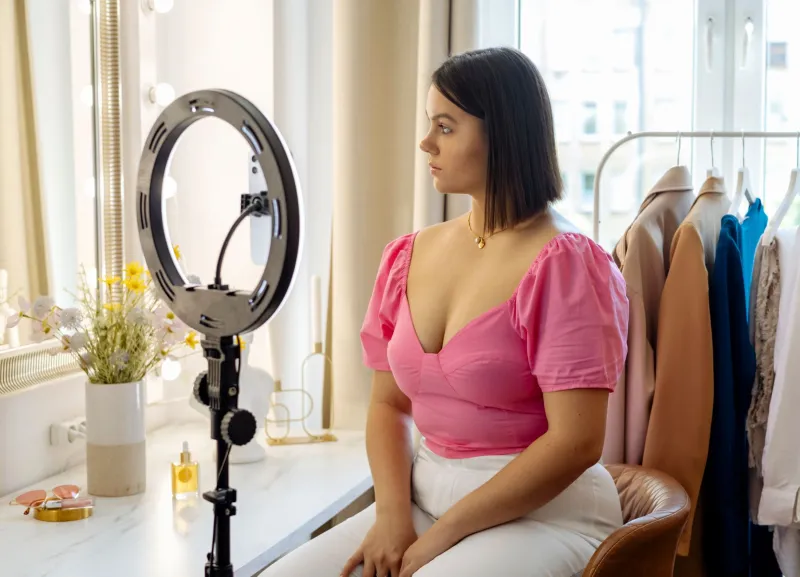
A creator who films in soft morning light with a clean background and a steady content rhythm looks like a safer investment than someone whose feed swings between crying on camera and product reviews. Even if the second person is more genuine, the first one closes more deals.
What 'Radical Transparency' Actually Costs
Let's talk specifics. When creators share their lowest moments without a filter — financial stress, relationship fallouts, mental health spirals — they often get a spike in engagement. Comments flood in. People feel seen. It feels like connection.
But here's what happens on the back end: some brands quietly ghost. The ones that do reach out start treating you like a liability. Your negotiating leverage drops because you've publicly established yourself as someone going through it, and companies don't want their product associated with instability — even sympathetic instability.
There's also the audience expectation problem. Once you've established yourself as the creator who shares everything, your audience starts expecting more of it. You've essentially signed an unwritten contract that your pain is content. And when life gets better? Some of that audience actually disengages. The relatability you built becomes a ceiling.
This isn't about shame. It's about understanding that every choice you make about what to share has downstream financial consequences that aren't always obvious in the moment.
The Polished Creator Playbook (And Why It Works)
The creators quietly stacking income right now aren't necessarily the most authentic. They're the most strategic. There's a difference.
They've figured out how to manufacture the feeling of authenticity without the financial exposure of actual radical transparency. Their content feels warm and personal, but it's carefully edited. Their "real talk" moments are real — just the ones that position them well. Their vulnerability has a beginning, middle, and end, and usually a lesson that makes their audience feel hopeful rather than worried.
Think about the lifestyle creators you follow who seem effortlessly genuine. There's a good chance their "casual" content took three takes. Their "honest" brand reviews were pre-negotiated with the sponsor. Their "messy" morning routine was shot in the afternoon with decent lighting.
None of that makes them frauds. It makes them professionals.
Finding the Middle Ground That Actually Pays
Here's the good news: you don't have to choose between your integrity and your income. But you do have to be intentional.
Pick your transparency zones. Decide in advance what parts of your life are genuinely shareable and which ones stay private — not because you're hiding, but because you're protecting your business. Your opinions on your industry? Fair game. Your credit card debt? Maybe not the brand-friendly content you think it is.
Shape the narrative before you share it. There's a big difference between posting in the middle of a hard moment and posting about a hard moment once you've processed it. The second version gives you control over the story. It lets you present growth, not just chaos. Brands and audiences both respond better to arcs than to spirals.
Let your aesthetic do the heavy lifting. A consistent visual identity — colors, editing style, setting — communicates professionalism even when your content is personal. It signals that you take your platform seriously, which makes brands take you seriously too.
Audit what 'authentic' actually means for your brand. Authenticity doesn't have to mean exposing everything. It can mean having a consistent point of view. A recognizable sense of humor. An honest take on your niche. You can be genuinely you without making your audience a therapist or your followers a support group.
The Real Flex Is Knowing the Difference
The creators who last — and who actually build wealth doing this — aren't the ones who share the most. They're the ones who know exactly what to share, when to share it, and how to frame it so it serves both their audience and their bottom line.
That's not fake. That's craft.
Being your true self online is worth something. But being a strategic, sustainable version of your true self? That's worth a lot more — and it doesn't require you to sell out. It just requires you to treat your platform like the business it actually is.
Your audience doesn't need all of you. They need the best of you, consistently delivered. And honestly? That version pays better too.