Curating Chaos: The Hidden Performance Behind 'No Filter' Content

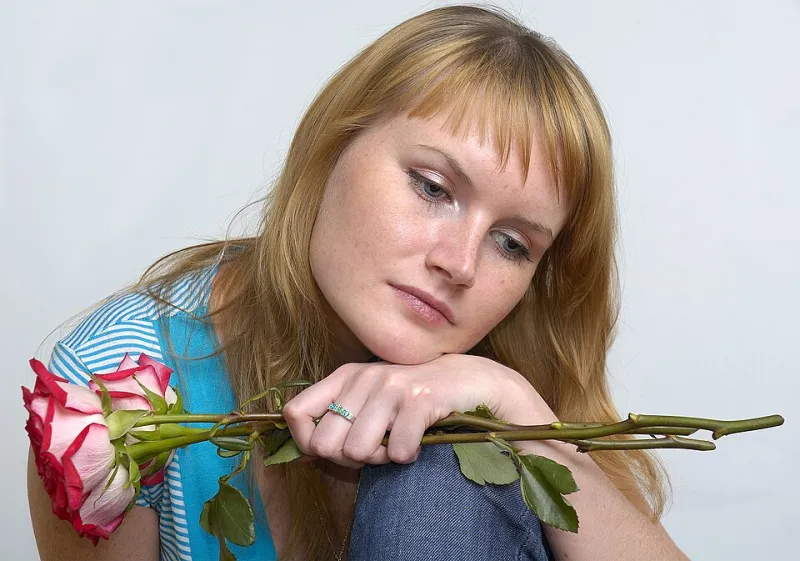
Photo by Photo by Vitaly Gariev on Unsplash on Unsplash
There's a certain kind of video that stops your scroll cold. No ring light. Slightly puffy eyes. A shaky voice saying, "I wasn't going to post this, but..." And somehow, that video performs better than anything that creator spent three days scripting and editing.
We've all seen it. We've probably all felt moved by it. But here's the uncomfortable question nobody in the creator space wants to sit with: what if that moment was just as engineered as the perfectly lit brand deal it replaced?
Welcome to the authenticity trap — where 'keeping it real' has quietly become one of the most calculated moves in the digital content game.
When Realness Became a Genre
For years, the content creator formula was pretty straightforward: aspirational visuals, curated aesthetics, highlight-reel living. Then audiences started burning out on the perfection. They wanted something that felt human. Platforms rewarded vulnerability. Brands started chasing creators who seemed "relatable." And just like that, the market for raw, unfiltered content exploded.
But here's where it gets interesting. The moment a content format starts driving engagement, creators — being the strategic operators most of them are — start reverse-engineering it. What looks unfiltered gets studied, replicated, and optimized. The messy bun gets styled. The "I'm not okay" post gets drafted, redrafted, and timed for peak posting hours.
None of this makes creators bad people. It makes them smart professionals responding to market signals. But it does create a strange loop where the antidote to performance becomes another performance.
The Psychology of Vulnerability Theater
Psychologists use the term "impression management" to describe how people consciously and unconsciously shape how others perceive them. In everyday life, we all do this. Online, with an audience watching, the stakes get amplified.
Vulnerability theater — sharing emotional content that looks genuine but is actually carefully calibrated — isn't new. But social media has industrialized it. A creator might genuinely feel anxious about a business failure, but the decision about how much to share, which details to include, and when to drop the video is rarely made in the moment. It's a content decision.
The tricky part? The creator can be simultaneously experiencing real emotion and packaging it for consumption. Those two things aren't mutually exclusive. But when the packaging starts driving the emotion — when someone manufactures a vulnerable moment because they know it'll hit — that's when audience trust starts to quietly erode.
Audiences are more perceptive than we give them credit for. Comments sections are full of people who can't articulate exactly why something feels off, but they sense it. The language is too polished. The crying is too convenient. The "I almost didn't share this" always seems to come right before a product launch.
Why the Distinction Actually Matters
You might be thinking: so what? Content is content. If it resonates, it resonates. But the stakes here go beyond aesthetics.
For creators, credibility is the whole business. The moment an audience collectively decides you're performing vulnerability rather than living it, the parasocial contract breaks down. People don't just unsubscribe — they feel fooled, which is a much more corrosive emotion. A creator can recover from a bad video. Recovering from a reputation as inauthentic is a much longer road.
For audiences, the constant stream of curated "realness" creates a weird kind of distortion. When everyone online is performing vulnerability, it raises the bar for what counts as a genuine struggle. It quietly teaches people that their own messy, non-content-ready emotions are somehow less valid.
That's not a small thing.
So What Does Actual Authenticity Look Like?
Here's the honest answer: it's complicated, and it looks different for everyone. But there are a few markers worth paying attention to.
Real vulnerability usually has rough edges. It doesn't resolve neatly by the end of the video. There's no clear takeaway. The creator isn't sure what they want the audience to do with it. Vulnerability theater tends to have a structure — setup, emotional peak, resolution, call to action.
Genuine creators are inconsistent. They have opinions that shift. They contradict themselves. They share things that don't serve their brand because they can't help it. Performed authenticity is suspiciously on-brand even when it's "off-brand."
The timing is telling. Does the vulnerable moment always seem to arrive around a launch, a controversy, or a dip in engagement? Patterns matter.
None of this is a clean checklist. And frankly, creators deserve some grace here — they're navigating the impossible ask of being both a real person and a media entity simultaneously. That's not a normal human condition.
A Note for Creators Reading This
If you're building a personal brand, you don't have to choose between strategy and sincerity. But it's worth getting honest with yourself about which moments you're sharing because you genuinely want to, and which ones you're sharing because you've clocked what performs.
The most sustainable version of your brand isn't the one that mimics authenticity the best. It's the one where your audience trusts that when you do show up vulnerable, it means something. And that trust is built by not mining every hard moment for content.
Some things can just be yours.
The creators who figure that out — who draw a real line between their private inner life and their public brand — tend to have the kind of longevity that no algorithm tweak can take away. Because their audience isn't just following a feed. They're following a person.
And that's a much harder thing to fake.