Nobody Talks About the Breakdown Behind the Brand Deal

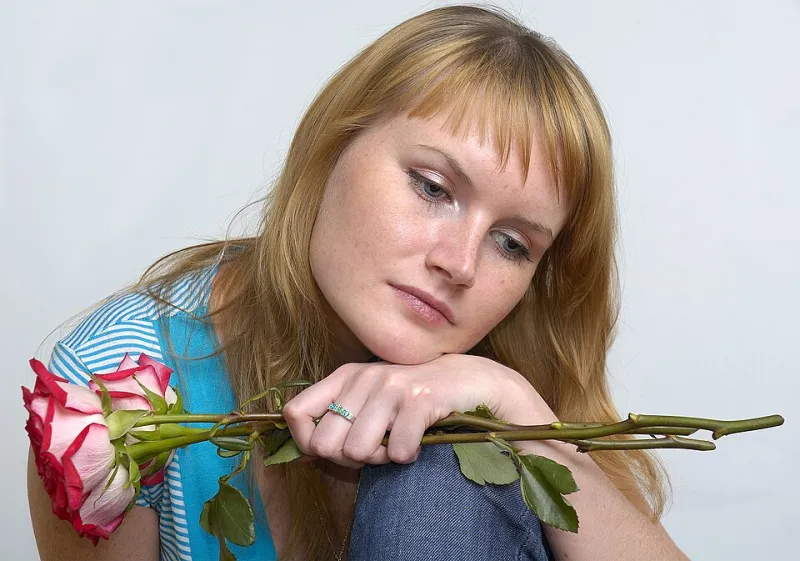
Photo by Photo by Vitaly Gariev on Unsplash on Unsplash
The Highlight Reel Nobody Posts
There's a version of the creator story that gets told over and over: the scrappy beginner, the breakthrough video, the brand deals, the followers, the freedom. It's a genuinely compelling narrative — and it's also wildly incomplete.
What doesn't make it into the "how I grew to 100K" YouTube video is the 2 a.m. panic spiral about whether your next post will flop. Or the way your stomach drops every time you open the comments section. Or the creeping numbness that sets in when something you used to love starts feeling like a second job you can't quit.
Burnout in the creator economy isn't a niche problem. It's practically a rite of passage — and it's getting worse.
When the Algorithm Becomes Your Anxiety
Dr. Janelle Morris, a licensed therapist based in Los Angeles who works primarily with digital creators and entertainers, puts it plainly: "The content creation environment is uniquely designed to trigger anxiety. You're operating in a system that rewards constant output, punishes inconsistency, and gives you real-time public feedback on your worth as a person. That's not a healthy work environment for most human brains."
The pressure isn't imaginary. Platform algorithms genuinely do reward frequency. Engagement drops when you go quiet. Sponsorship opportunities evaporate when your numbers dip. For creators who've built their entire income — and often their identity — around their online presence, taking a break doesn't feel like self-care. It feels like financial suicide.
This is the trap that catches so many creators off guard. What started as a passion project slowly morphs into a performance with an invisible audience of thousands judging every frame. The creative spark that made you interesting in the first place gets buried under content calendars and analytics dashboards.
"I Didn't Even Realize I Was Drowning"
Marcus, a lifestyle creator based in Atlanta with around 280,000 followers across platforms, describes his burnout as something that sneaked up on him gradually. "I was posting every day, hitting my numbers, getting good brand deals," he says. "From the outside, everything looked great. But I was exhausted in a way I couldn't explain. I'd sit down to film and just... nothing. Complete creative emptiness."
He eventually took a two-week break — which felt, he says, "like telling my audience I was dying" — and came back with a more sustainable posting schedule. The sky didn't fall. His audience actually responded warmly to his honesty about needing rest. But he wishes someone had warned him earlier about what unchecked burnout actually looks like.
Similar stories echo across the creator community. The symptoms are remarkably consistent: creative paralysis, emotional detachment from content you once loved, hypersensitivity to criticism, disrupted sleep, and a persistent sense of inadequacy no matter how well things are going externally.
The Comment Section Is a Contact Sport
One dimension of creator mental health that rarely gets enough airtime is the sheer volume of negative feedback creators absorb on a daily basis. We're not just talking about mild criticism — we're talking about targeted harassment, body-shaming, coordinated hate campaigns, and the kind of cruelty that people feel emboldened to deploy from behind anonymous accounts.
Dr. Morris notes that her creator clients often struggle with something she calls "criticism asymmetry" — the psychological phenomenon where one harsh comment carries ten times the emotional weight of ten positive ones. "Your brain is wired to prioritize threats," she explains. "A single mean comment at 11 p.m. can undo hours of positive reinforcement. And creators are consuming this feedback constantly, often without any buffer."
For creators in marginalized communities — women, people of color, LGBTQ+ creators — the harassment is frequently more intense and more personal. The mental load of managing that while also producing content, managing a business, and maintaining a public persona is genuinely staggering.
What Actually Helps (And What Doesn't)
The wellness industry loves to offer creators the same tired advice: meditate more, sleep better, take a social media detox. And while none of that is wrong exactly, it misses the structural reality of what creators are dealing with.
Here are some strategies that therapists and experienced creators actually recommend:
Set platform boundaries that are non-negotiable. This means deciding in advance — not in the moment of exhaustion — how many days per week you post, what hours you check notifications, and which platforms you're willing to be active on. Treat these like business policies, not personal preferences.
Separate your identity from your metrics. Your follower count is not your worth. Your engagement rate is not your value as a person. This sounds obvious written down, but when your livelihood depends on those numbers, the psychological separation is genuinely hard work. Therapy helps. So does building friendships outside the creator space.
Create a content buffer. Batch filming and scheduling content in advance removes the daily pressure of having to produce something even on your worst days. Creators who have even two weeks of content ready to go report significantly lower anxiety levels.
Build a support network of other creators. There are communities — online and in-person — specifically for digital creators to talk honestly about the hard stuff. Knowing you're not alone in what you're experiencing is more powerful than most people realize.
Talk to someone who gets it. General therapists are great, but if you can access a therapist who has experience with creators, entertainers, or public-facing careers, the conversations tend to be more immediately useful. Organizations like the Backline mental health nonprofit (which serves the music and entertainment industry) are expanding their reach to digital creators.
The Conversation We Need to Keep Having
The creator economy isn't slowing down. If anything, the pressure to produce is intensifying as more people enter the space and platforms shift their priorities. That means the mental health conversation can't be a trend — it has to become a permanent part of how we talk about building an audience.
Going viral is exhilarating. Building something people genuinely connect with is one of the most rewarding things a person can do. But none of that is worth much if you burn yourself to the ground in the process.
The creators who last — the ones who are still making things they love five, ten years in — are almost universally the ones who figured out how to protect their energy as fiercely as they protect their brand. That's not soft. That's strategy.
Your audience will still be there after you rest. But you have to be there too.